
In most cases, this kind of project depends on getting the basics right through custom WordPress development, technical SEO foundations and a setup that can still benefit from ongoing support later.
What a £1k Website Should Include
- Clear homepage messaging: The site should explain what you do and who you help straight away.
- Mobile-first design: It should be clean, responsive, and easy to use on phones.
- Strong call to action: Visitors should always know what to do next.
- Core pages only: Usually homepage, about, services, and contact are enough to start.
- Basic SEO setup: Proper heading structure, page titles, meta descriptions, and indexable content.
- Fast loading foundations: Lightweight structure, compressed images, and sensible plugin choices.
- Trust signals: Testimonials, short project examples, or credibility markers.
- Simple lead capture: Contact form, enquiry flow, or booking CTA.
What It Usually Does Not Include
- Custom web app functionality
- Advanced automations
- Large multi-page builds
- Heavy custom integrations
- Complex membership or eCommerce systems
A starter budget goes much further when the site is built around business clarity instead of unnecessary features. A lean build with solid SEO structure and a clean technical base often outperforms a bigger but unfocused site.
Real World Scenarios
Scenario 1: Service Business Starter Site
A local or online service business can get a clean, strategic brochure site that presents the offer clearly and captures enquiries properly.
Scenario 2: Validation Site for a New Business
A £1k website is ideal for testing a new idea without overspending. It should focus on positioning, one clear offer, and lead capture.
Scenario 3: Replacing an Outdated Website
If your current site looks old and does not convert, a focused rebuild with better messaging and structure can go much further than endless small tweaks.
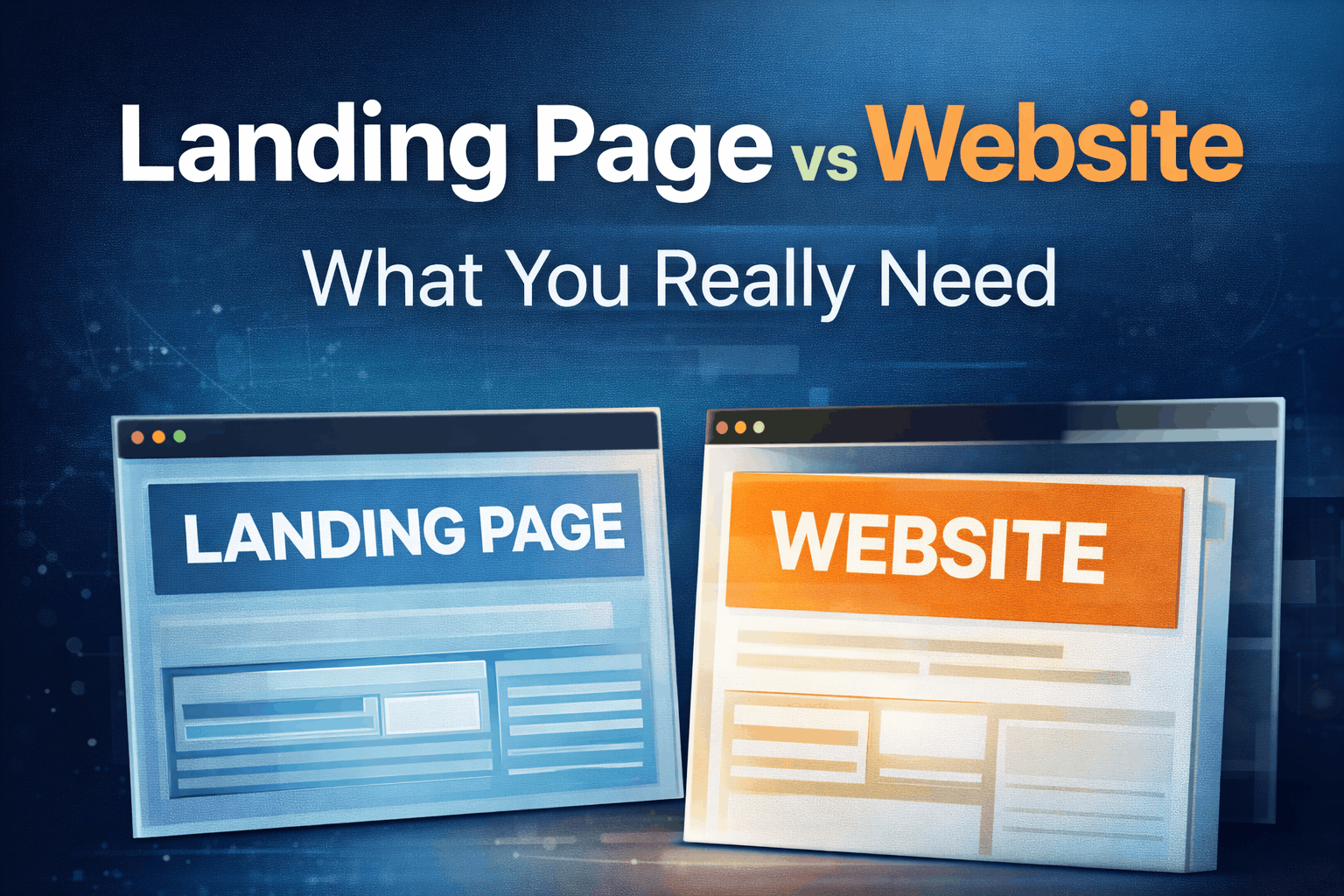
Cheap Website vs Smart £1k Website
| Cheap Website | Smart £1k Website |
|---|---|
| Built around template filler content | Built around clear business messaging |
| Looks okay but converts poorly | Designed with lead generation in mind |
| No SEO basics in place | Structured for visibility and indexing |
| Too many pages, too little focus | Smaller scope, stronger strategy |
| Hard to update and maintain | Built on a clean and manageable foundation |
The 3 Most Common Mistakes
- Expecting enterprise-level scope on a starter budget. A smaller, smarter website usually performs better.
- Choosing visuals over clarity. Pretty design alone does not generate enquiries.
- Ignoring SEO and speed from the start. These are not optional extras.
That is also why many businesses benefit from ongoing support after launch. A good starter website does not need everything up front, but it should be built so it can improve without being rebuilt from scratch.
What a Good Starter Website Should Do
- Help visitors understand your offer quickly
- Build enough trust to prompt action
- Make it easy to contact you
- Give you a strong foundation to grow later
Need a website that fits your budget and still works hard for your business?
Get in touch and I can advise what is realistic, what matters most, and how to build it properly from day one. The most relevant starting points are usually custom WordPress development, technical SEO foundations and ongoing support.




Leave A Comment